Evidence Synthesis
Making existing research useful and timely for urgent policy questions.
- Rapid Response Briefs, often within 28 days
- Clarify, synthesise, contextualise, then a dual review
- Evidence gap maps for advocacy and planning
We connect decision-makers with timely, high-quality evidence, so that urgent choices reduce inequity and improve socioeconomic outcomes.
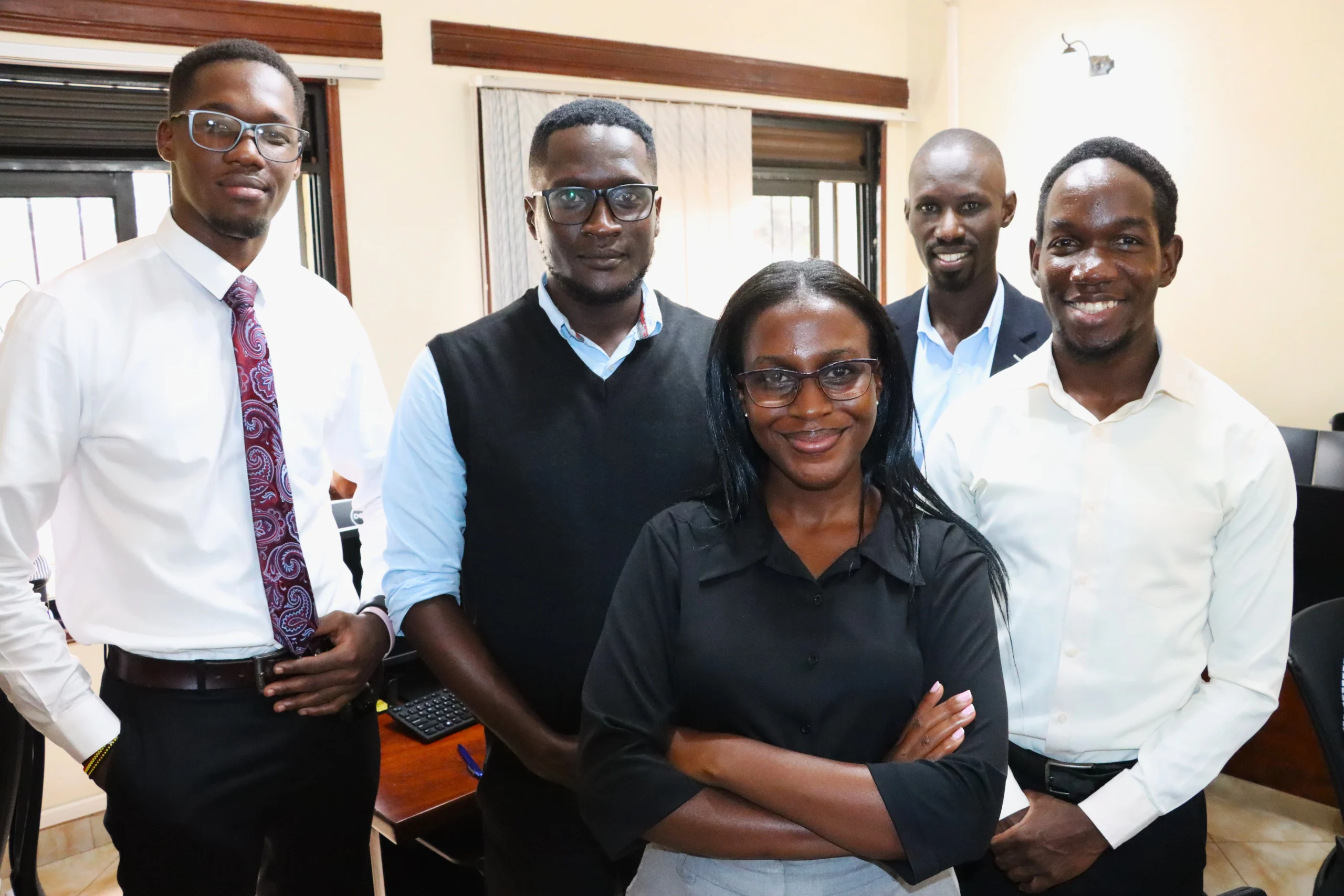
The Center for Rapid Evidence Synthesis is a knowledge brokering institution registered as an NGO in Kampala, Uganda. Our work began in 2010 at the College of Health Sciences, Makerere University, with the first ever Rapid Response Service.
Leaders don't have months to wait for a study; they have days. We take the world's research and compress it into reliable evidence that reaches a decision-maker's desk while the choice is being made, from national ministries to district offices.
Our mission: To provide timely and responsive knowledge for equitable policymaking.
More about who we are (opens in a new tab)Four connected ways of bringing evidence closer to the people who make decisions.
Making existing research useful and timely for urgent policy questions.
Working with decision-makers to understand policy environments and bring evidence into dialogue.
Supporting researchers, knowledge brokers and decision-makers to use evidence with confidence.
Testing and improving the systems and tools that make evidence use possible.
Seven programmes, from Ugandan district offices to a 12-country global alliance. The map shows our East African partners.
Digital tools that do in minutes what took a research team weeks, built with Sunbird AI, EPHI and PACE.
Supported by the Gates Foundation
Turned a service into an institution: full autonomy from Makerere and four specialised units ready to respond.
16+ new departments, including the Office of the President
ACRES co-leads the East Africa hub linking Uganda, Ethiopia, Malawi and Tanzania, and runs the E2P training.
Funded by Hewlett, IDRC and the Robert Bosch Stiftung
Strengthened government use of health research in Kenya, Malawi and Uganda from 2019 to 2022.
89 leaders mentored, 40+ rapid briefs
Took the rapid evidence model beyond health, into education, climate action and gender equity.
35+ rapid briefs for 16+ departments
A global alliance of 12 country teams, where ACRES pioneered pictorial briefs and citizen panels.
15 youth-focused CSOs trained
Rapid evidence reviews with the Mastercard Foundation on dignified, fulfilling work for young Africans.
Supports the Young Africa Works strategy
What happens when evidence arrives while the decision is still open.
Only about 44% of women attending HIV clinics in Mukono took part in HPV screening.
The Assistant District Health Officer asked ACRES for evidence. Our brief set out options from letter and phone reminders to self-sampling and counselling.
The District Health Officers' Forum chose personalised reminder letters from clinic doctors, and is now designing the rollout.
Development plans risked funding aspirations rather than what works.
ACRES helped embed evidence into the Public Expenditure Review.
Evidence now informs the review, so the National Development Plan is funded by what actually works.
Policy issues reached decision forums without the research behind them.
Through HIGH-Res, ACRES helped rewrite the Ministry's governance guidelines.
Policy issues must now be presented alongside evidence-informed briefs.
Funders, research institutes and evidence networks we work alongside.
Briefs, reports and gap maps you can use in your next decision.
Short, contextualised syntheses that answer one urgent policy question.
Browse rapid response briefs (opens in a new tab)Reports and papers that translate research into practical insight.
Browse reports and publications (opens in a new tab)Interactive maps that show what is known, and what is missing, on a topic.
Browse evidence gap maps (opens in a new tab)Welcome to WordPress. This is your first post. Edit or delete it, then start writing!
Read the postFive platforms built by ACRES, one for each step from an urgent question to an agreed policy.
The Rapid Response Service on a digital platform: decision-makers send urgent questions and follow each one from received to answered.
An open library of evidence briefs and gap maps for policymakers across Africa, searchable by topic, country and SDG.
Define the variables you need, add your PDFs, and get a validated results table to export as CSV, Excel or RIS.
A living directory of 234 digital tools for evidence-informed decision making, organised by the stage of the work they help with.
Where policymakers and researchers gather evidence, discuss it and agree what to commission next.
Facing a decision? Tell us the question. Calls, texts, email and WhatsApp all reach us.